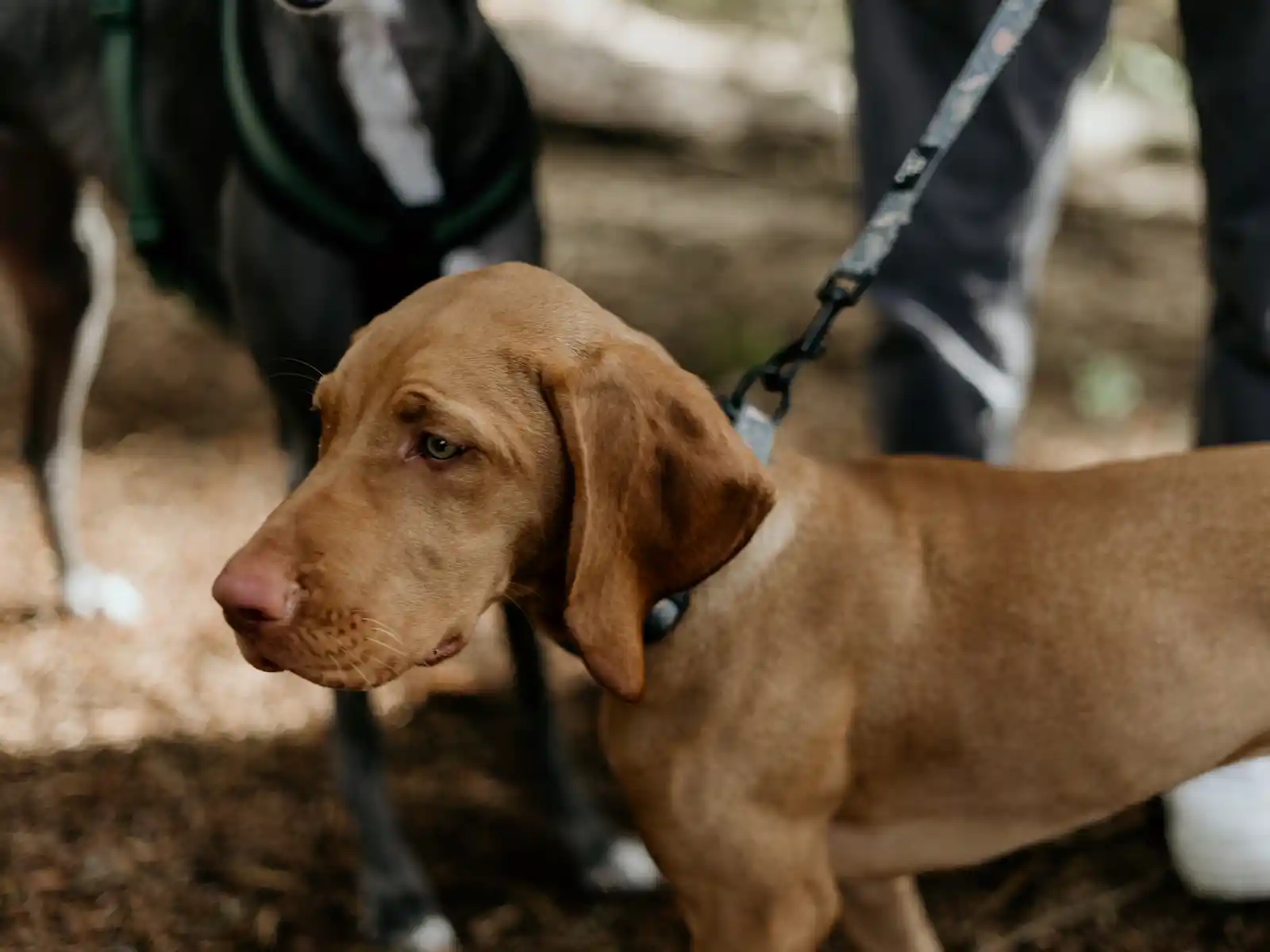
There's something really special about travelling with a senior dog. The bag feels lighter on expectations and heavier on love. It's no longer about conquering the longest trail or reaching the highest peak — it's about continuing to travel together, at his pace, treating every trip like the gift it is.
And that's completely possible. Older dogs can and should keep going out into the world. What changes isn't whether you can do it, but how you do it. This guide helps you plan it well so the journey is comfortable for him and stress-free for you.
At What Age Is Your Dog "Senior"?
The short answer: it depends on size. And quite a lot.
Large dogs — Golden Retrievers, German Shepherds, Labradors, Dogos, Mastiffs — enter the senior stage earlier: from around 6 or 7 years old, the body starts to feel its age. A Chihuahua or Bichon Frisé, on the other hand, can reach 12 or 14 years old full of energy and ready to take on the world with you.
The number on the vet card is just a guideline. What you see every day tells you so much more: how he gets up in the morning, whether stairs are getting harder, whether he tires more quickly on walks, whether he sleeps more than he used to. Those signs are worth more than any equivalency chart.
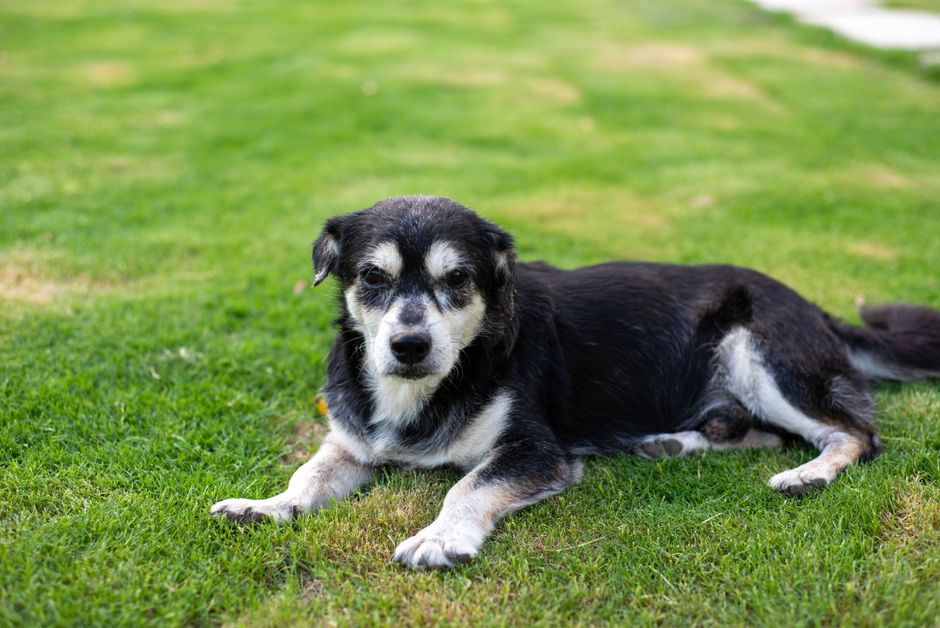
The Vet Visit: Before Making Any Plans
With a senior dog, this part isn't optional. Before any trip, visit your vet.
This isn't a routine check-up — it's a real assessment of whether your dog can handle the stress of travelling. The car journey, unfamiliar smells, an unknown environment, the heat, sleeping away from home... all of that puts a strain on a body that no longer responds the way it used to. Better to know before you arrive at your destination.
Ask for an up-to-date medical report with diagnoses, medications and dosages. If you have an emergency far from home, that document can make all the difference. And if your furry friend has heart, respiratory or neurological conditions, the conversation with your vet matters even more — not so they can tell you not to go, but so you can go with your eyes open and your plan adjusted accordingly.
At that appointment, ask specifically about:
- Joint health and how much exercise he can handle without overdoing it
- Whether his medication needs adjusting during travel
- How to manage anxiety if journeys make him nervous
- Whether his vaccinations are up to date (rabies is mandatory for leaving Spain)
- What physical warning signs to watch for during the trip
What Changes When You Travel with a Senior Dog
It's not that he can't travel — it's that the trip needs a little more care and thought. Nothing you can't manage if you know what to expect from the start.
The pace adapts to him. He's not going to handle the marathon hikes of his younger years anymore. Walks get shorter, routes get chosen more carefully. And honestly, it gives us an excuse to slow down too. There are worse things.
His joints need respect. Arthritis is very common in older dogs. Getting in and out of the car, sleeping on hard floors or walking on uneven terrain can hurt him — even if he doesn't say so out loud. Dogs are stoic creatures; don't wait for him to ask you with words.
More stops on the road. His bladder doesn't hold out the way it used to. On long journeys you'll need to stop more frequently, and sometimes more urgently than you'd expect. Plan the route with that in mind.
Medications that can't be skipped. Many senior dogs take daily medication: anti-inflammatories, thyroid regulators, heart medication, mobility supplements. Travelling means not missing a single dose — and sometimes managing medication that needs to be kept cool.
Less tolerance for heat and cold. Things that used to be no big deal now affect them more. An overheated car, a draughty room or a midday August sun are no longer minor details.
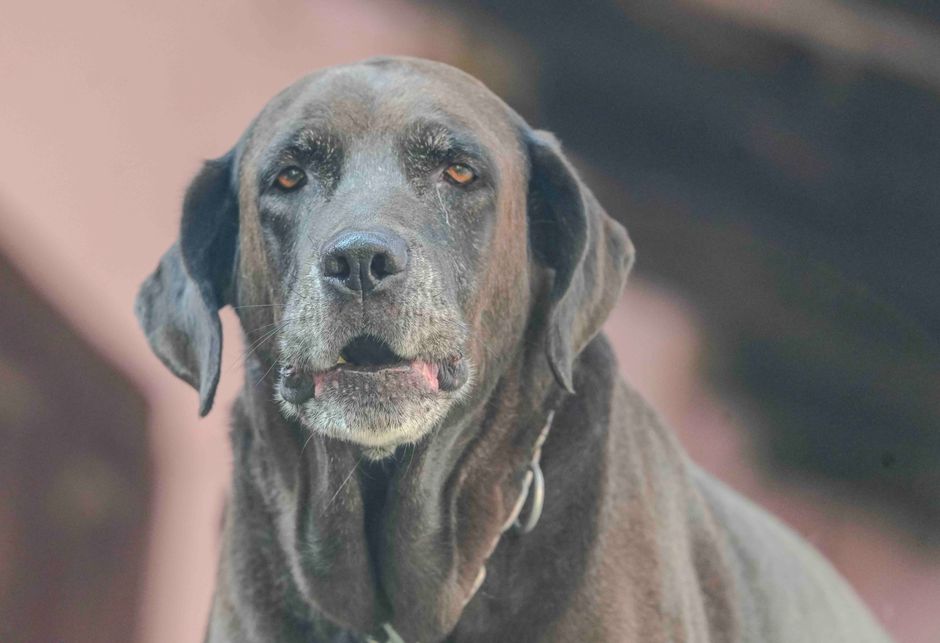
Transport: Which to Choose and How to Make It Comfortable
The Car: The Most Sensible Option
For a senior dog, the car is almost always the best choice. You have complete control over the pace, the temperature, when you stop — no cargo holds, no station stress. You can bring everything he needs without weight restrictions or extra costs.
The key issue with an older dog is getting in and out of the car. If he has arthritis or mobility problems, jumping can hurt him or cause an injury. The solution is simple: a portable ramp or folding step. They're lightweight, easy to store and they genuinely transform the journey. If you travel regularly, it's worth keeping one in the boot permanently.
Inside the car, make sure he has space to stretch out. A blanket or mat from home on the back seat or in the boot helps him relax — familiar smells work wonders in an unfamiliar environment.
Stops: every hour and a half at most. More frequently on long journeys, or if you can see he's uncomfortable. A proper walk, not two minutes on tarmac — let him move around, stretch and do his business at his own pace.
Train
For senior dogs of small or medium size who are in good physical shape, the train can be a comfortable option. On Renfe Cercanías (Spanish commuter rail) and most regional services, dogs are allowed without size restrictions (muzzle and lead required). Under the new Renfe long-distance regulations (coming into effect July 2026), dogs up to 40 kg will have access to designated carriages with a €40 supplement.
For dogs with mobility difficulties, the train adds complications: getting to the platform, boarding and alighting from the carriage, the constant motion. Think carefully about whether your companion can handle all that before choosing this option.
Plane
If there's no alternative:
- Small dogs that meet the weight limit (dog + carrier, maximum 8–10 kg) can travel in the cabin.
- Above that limit, it's the hold. And here let's be honest: the stress of a hold flight is considerable even for young dogs. In an older dog with heart or respiratory problems, it can be dangerous.
- Talk to your vet before making this decision. Without exception.
In most cases, if there's an alternative, there is one.
Accommodation: Beyond "Pets Welcome"
With a senior dog, "pet-friendly" is the starting point, not the finish line.
A companion with reduced mobility can't climb two flights of stairs to the room. Look for ground floor or lift access, and when you book, confirm it directly with the property — don't take it for granted.
The bed matters. Sleeping on cold floors or hard surfaces affects his joints far more than it would at home. Bring his own bed or blanket, or a slightly raised mat. If the accommodation provides a dog bed, check it's the right size for him.
The outdoor space: rural properties with very uneven grounds are tricky if walking is hard for him. In summer, ventilation and shade outside are a priority — older dogs regulate their body temperature less efficiently.
Ground-floor rooms are what we look for at queviajemasperro.com when filtering pet-friendly accommodation for dogs with reduced mobility. We also filter for properties that specify accessibility for people — the same access features tend to work better for a dog with mobility challenges too.
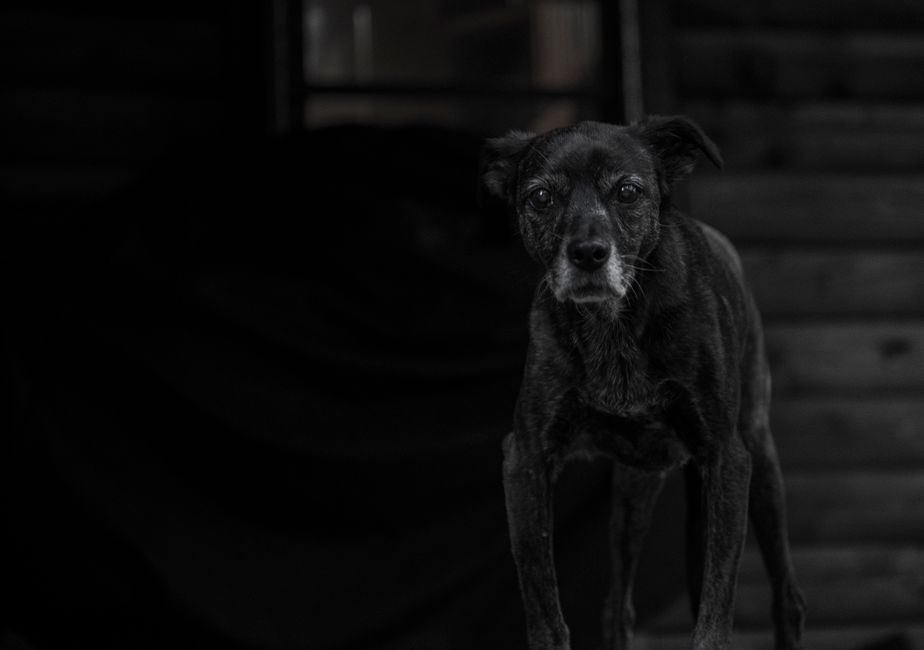
Destinations and Activities: At His Pace
Senior dogs enjoy calm destinations just as much — if not more. They don't need the highest mountain or the most remote village — they need somewhere they can feel at ease and explore at their own pace.
What works well:
- Villages with flat streets and light traffic
- Coastline with boardwalk promenades or firm-packed sand (easier on joints than soft sand)
- Short countryside walks without big changes in elevation
- Restaurant terraces where he can lie down peacefully
- Rural accommodation with a garden where he can move around off-lead
What's best avoided:
- Beaches with very fine, loose sand (more tiring and can irritate his paw pads)
- Trails with lots of rocks or uneven terrain
- Busy cities where the level of stimulation is very high
- Destinations with intense summer heat
Adapt the activity to the day. If you arrive at your destination and he's more tired than usual, make it a quiet day. No itinerary is worth more than his wellbeing.
Heat: More Dangerous for Older Dogs
Senior dogs regulate their body temperature less effectively than younger ones. In summer, this needs to be on your mind at all times.
Never leave him alone in the car, even for "just a moment." On a summer's day, the interior can exceed 50°C in minutes. Not with the windows open, not in the shade.
At your destination: outings before 9am or after 7pm in peak August heat. The pavement can burn his paw pads — if your hand can't hold out for 5 seconds on the ground, neither can your dog's paws.
Signs of heatstroke: very intense panting, excessive drooling, staggering, red or purple gums, loss of consciousness. Get to a vet immediately. On the way: cool (not icy) water on his paws and belly, shade and ventilation.
Warning Signs That Something Is Wrong
Your dog can't tell you he's suffering. There are signs you shouldn't ignore:
Excessive panting without heat or exercise: could be stress, pain or a respiratory problem. It's not normal if there's no obvious cause.
He refuses to move. If he won't walk, get up or climb when he used to do it without a second thought, something may be hurting. Don't force him.
Disorientation or confusion. Some older dogs develop something similar to canine dementia, and an unfamiliar environment can make it worse. If he seems frightened for no apparent reason, pay attention.
Vomiting or diarrhoea that doesn't settle. An isolated episode can just be travel stress. If it keeps happening, act on it.
Marked lethargy lasting more than a day, beyond normal tiredness.
If several of these symptoms appear together, if he doesn't eat for more than 24 hours, or if you can see he's genuinely suffering: find a vet at your destination, or consider heading home. The trip can wait. He can't.
What to Pack: The Essentials
- His own bed or blanket (with his scent on it)
- Portable ramp or step if he struggles getting into the car
- Full medication for the entire trip, plus a few days' extra
- Up-to-date vet report (diagnosis, medications, dosages, clinic phone number)
- Health record and updated documentation
- Water from home for the first few days (changes in water can upset his stomach)
- Food and water bowls suited to his size
- Up-to-date parasite treatment
- His usual food (don't change his diet while travelling)
- Dog nappies if he has incontinence, plus a waterproof car seat cover
- Phone number for a vet at your destination, written down
The Most Common Questions
Can I fly with an older dog? It depends on his size and health. Small dogs that meet the cabin weight limit can generally travel fine. Those who'd travel in the hold — over 8–10 kg — have a much more stressful experience. If he has heart or respiratory problems, talk to your vet first. In many cases, the car is the most sensible option for him.
Does he need special documentation because he's older? Not because of age specifically. Always carry his up-to-date health record, registered microchip details and a medical report if he has any health conditions. To leave Spain, you'll need the European pet passport with a valid rabies vaccination.
How many stops does he need on a long journey? More than he used to: every hour and a half at most. Enough time for him to do his business, drink some water and have a proper stretch without being rushed.
What if he has incontinence? Dog nappies work reasonably well. For the car, a waterproof seat cover or boot liner is a simple solution. It doesn't have to be a real barrier to travelling together.
Do senior dogs find travel more stressful? It depends on the dog. Some handle it brilliantly; others get more anxious than they did when younger, especially if there's some degree of cognitive decline. You know your dog better than anyone. If you know journeys make him nervous, talk to your vet before you leave about what options are available to help him feel calmer — there are safe solutions out there that make a real difference.
What's the best destination for a senior dog? Somewhere calm, with flat or gentle terrain, well ventilated in summer and with easy access to the accommodation. Inland villages with few steep streets, a coastal promenade or open countryside without big elevation changes are usually the best bets.